
Planning a week in the Cotentin and not sure where to start?
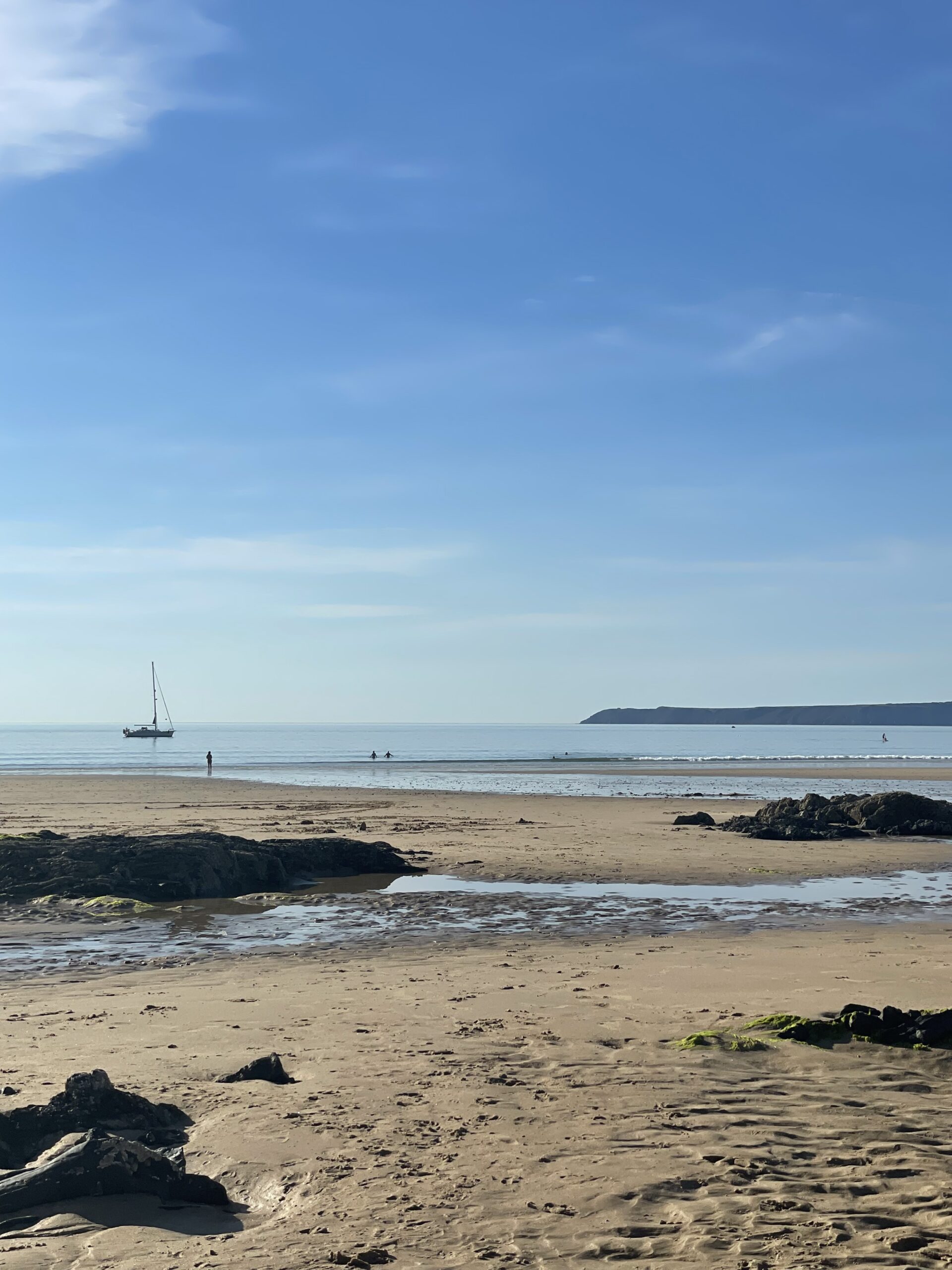
Between cliffs, dunes, islands, little harbours, beaches, coastal paths and villages full of character, the Cotentin peninsula has so much to discover, far from mass tourism and sheltered from heatwaves.
And if you ask for my advice as a local: don’t try to see everything. The Cotentin is best discovered slowly and enjoyed simply, to the rhythm of the tides, walks and little unplanned detours.
Here is the itinerary I would recommend to friends spending a week in the Cotentin for the first time.

Day 1: slow travel between Barneville-Carteret and Biville
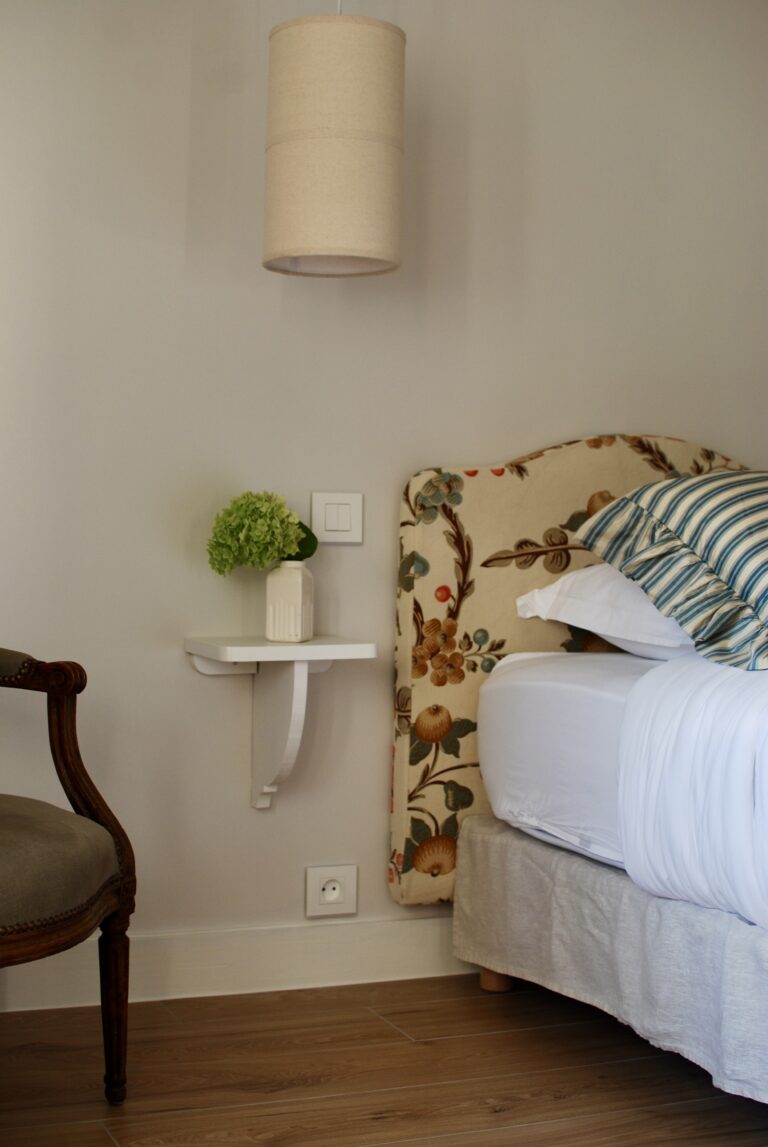
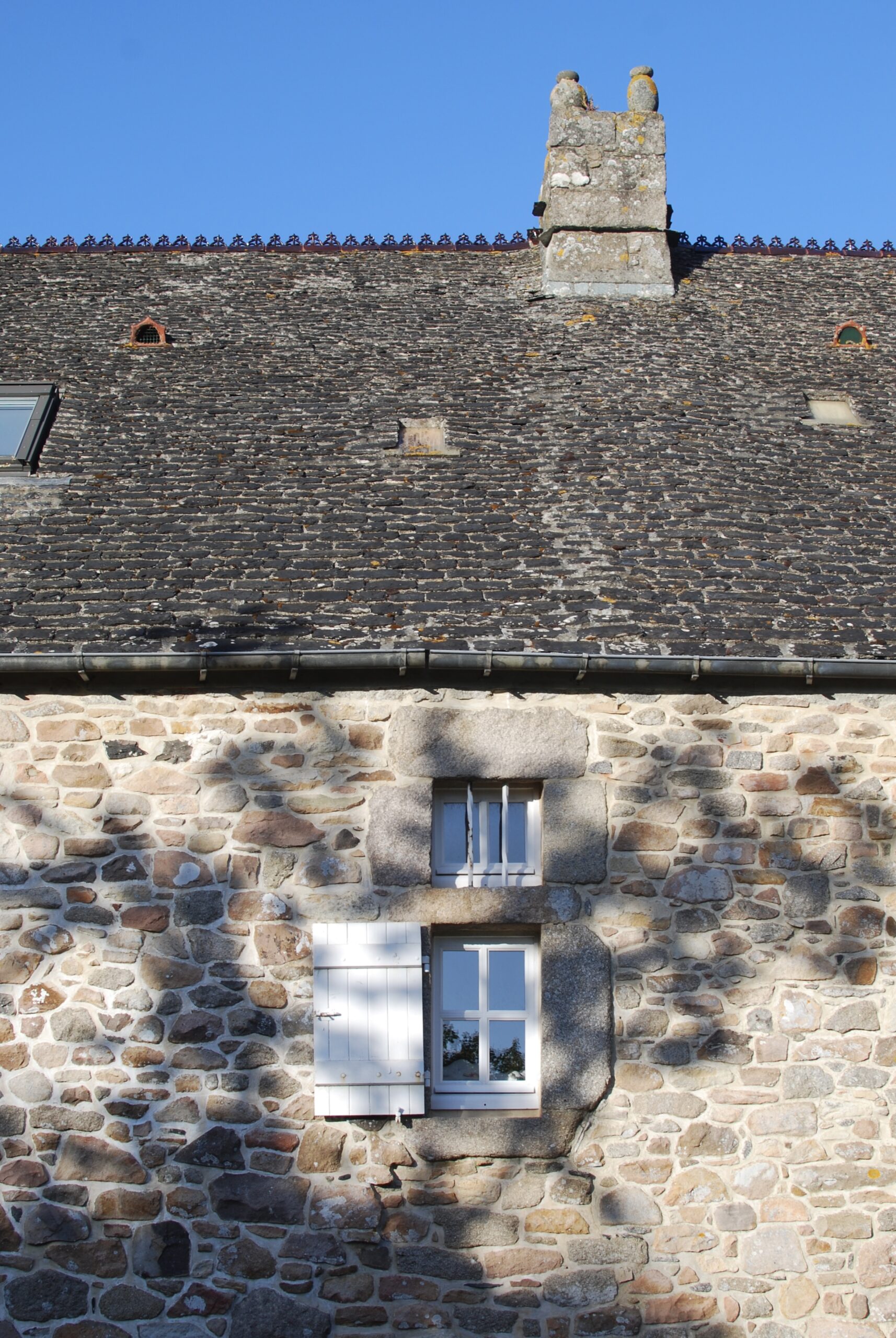
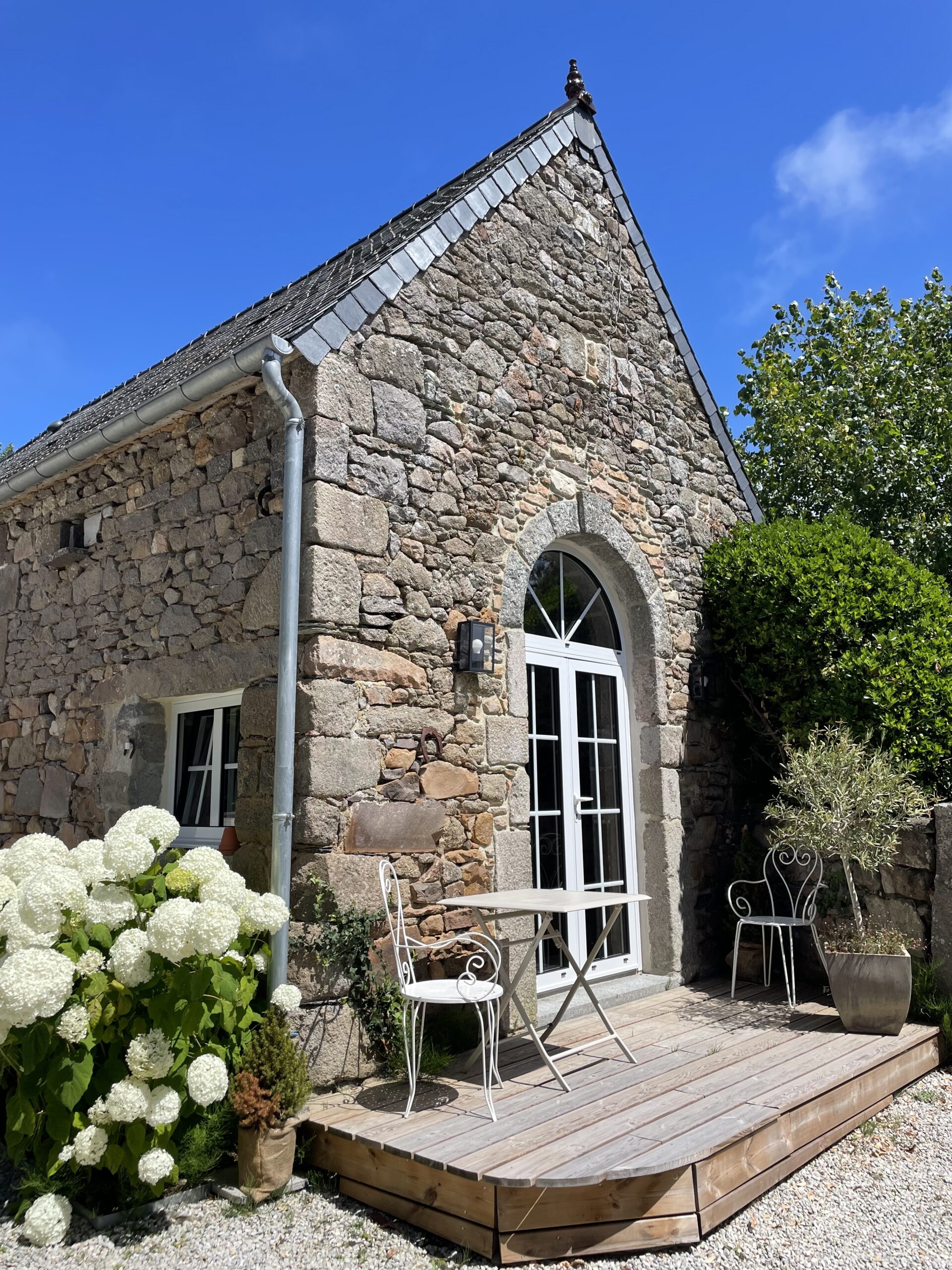
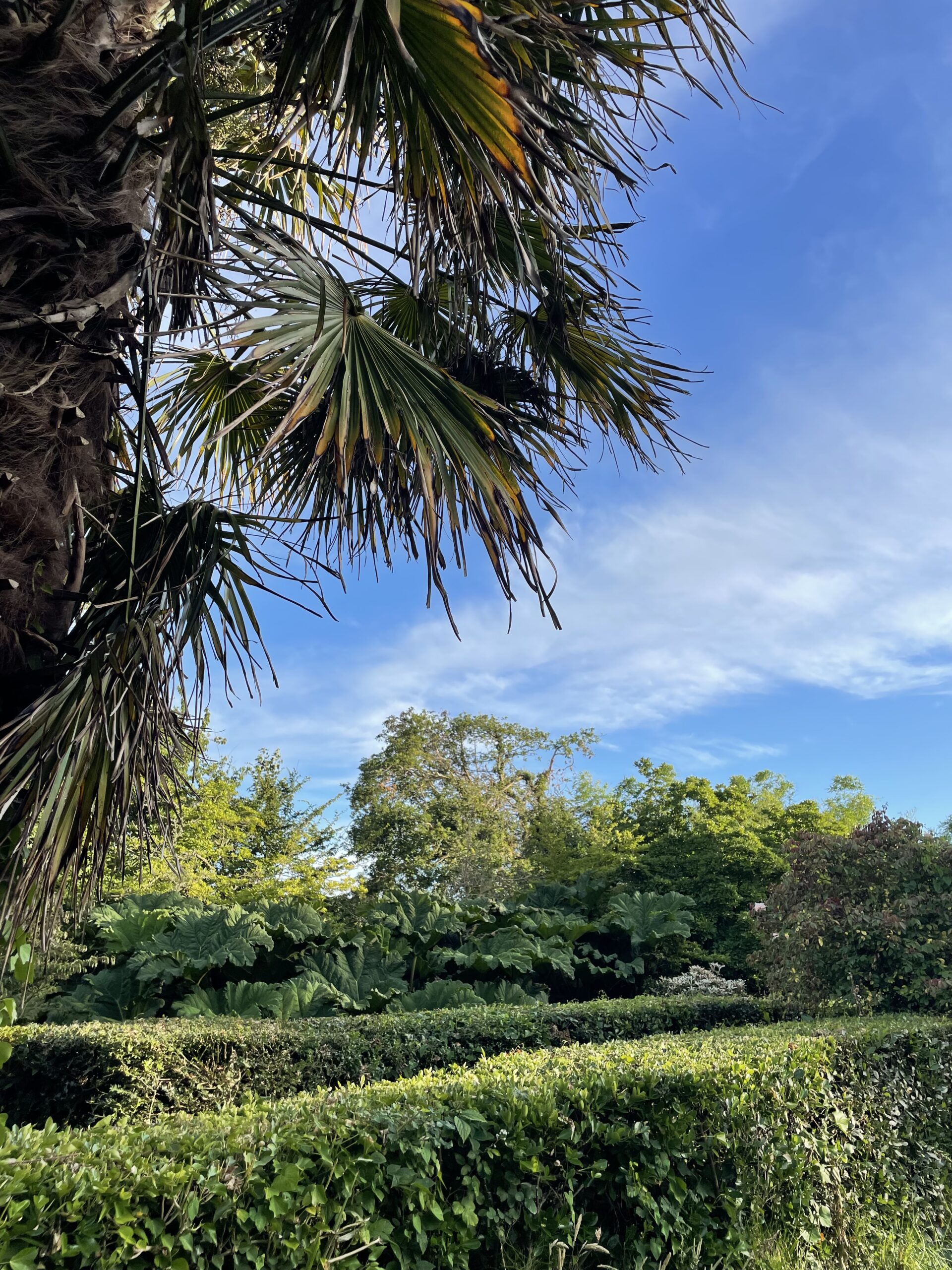
On this first day of your holiday in the Cotentin, take time to discover your surroundings, starting with our estate and its grounds. Then set off from the house on foot to discover the Customs Officers’ Path, or GR223.
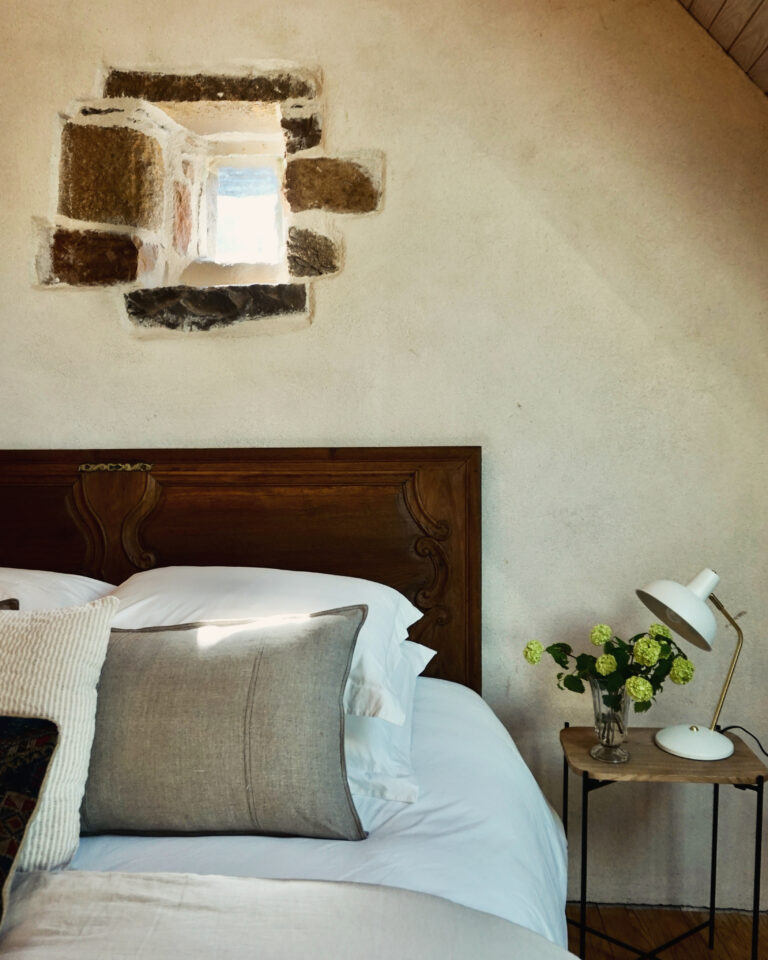
- Walk to the Biville dunes: leave your cottage and head north along the Customs Officers’ Path towards the Biville dunes, which actually begin in Siouville, around thirty minutes’ walk from the house. Bring a picnic and enjoy a swim in Siouville. In season, treat yourself to a delicious artisan ice cream, then return to rest in our charming rooms and cottages.
- Sciotot and Le Rozel: you can also walk to Le Rozel from the house. The scenery is breathtaking, and there are places to eat in Sciotot and Le Rozel (see our article on the beaches).
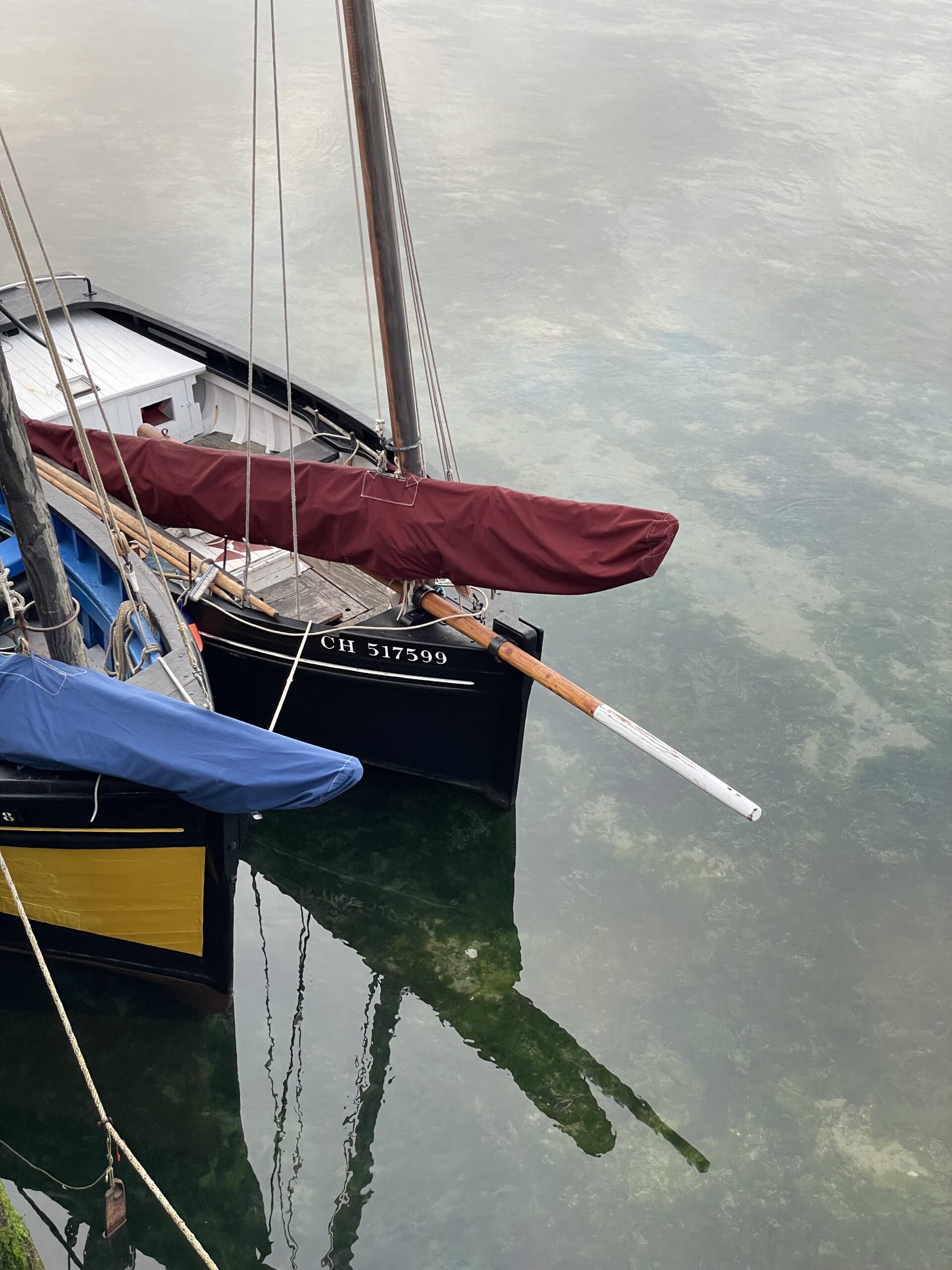
- The Havre de Carteret: a short 20-minute drive reveals a different landscape: the largest of the havres of the Côte des Isles. Sheltered from westerly winds by the cliff of Cap de Carteret, it is bordered to the north-west by Carteret and to the north-east by Barneville.
From its estuary, boats leave the harbour for the open sea and the Channel Islands. A protected natural area, the havre reveals a landscape that changes with the tides and seasons, an ideal refuge for migrating birds and a joy for birdwatchers. With each rising tide, the sea flows inland, mingling with the waters of two coastal rivers.
- For supplies, there is a small market in Diélette on summer Sunday mornings, and all year round on Mondays my favourite market in Bricquebec. Supermarkets (Super U, Intermarché and Lidl) are in Les Pieux, 5 minutes by car.
Restaurants near Maison Melchior:
Le Sémaphore in Flamanville / La Rozelie at the Château du Rozel / Le Terminus in Carteret / Marnage in Carteret / Le Renard in Diélette
Day 2: La Hague, the west side
On your second day in the Cotentin, discover La Hague, or Little Ireland, at the north-western tip of the Cotentin, less than 20 minutes from Maison Melchior. La Hague is the wildest and most unspoilt part of the Cotentin, with spectacular cliffs, moorland, sand and shingle beaches and traditional little villages such as Goury and Auderville. Known for its windswept coastline, its hiking trails (including the GR223) and its untamed nature, it offers breathtaking views and an authentic atmosphere, far from mass tourism.
La Hague: our top 4
- The Nez de Jobourg: between beaches and spectacular cliffs, this unique site at the heart of Cap de la Hague promises an unforgettable experience. Choose your route: an easy walk or a stage of the famous GR® 223, the Customs Officers’ Path. You will find some walking ideas here.
- Écalgrain Bay: between Goury and the Nez de Jobourg, Écalgrain Bay reveals a sand and shingle beach in a green landscape shaped by the westerly winds. Moorland, heather and gorse create a wild setting. Its exposure to the wind makes it popular for water sports and paragliding, and it offers an exceptional view over the Channel Islands and the Raz Blanchard.
- Goury and its lighthouse: the emblem of La Hague, this imposing granite tower watches over Goury harbour. Take time to admire it and, above all, its exceptional surroundings: the Channel Islands before you and a breathtaking panorama all around, especially in the golden light of sunset. Standing 800 metres off Cap de la Hague, the lighthouse is a perfect backdrop for photos, where land and sea meet in a peaceful setting.
Restaurants in La Hague:
Les Tamarins in Vauville / O P'tit Crabe in Goury / Purée de Pois in Beaumont-Hague / Le Restaurant du Landemer
Day 3: La Hague, the north coast
Today, discover the north coast, from Goury to Urville and the sublime cliffs of Landemer.
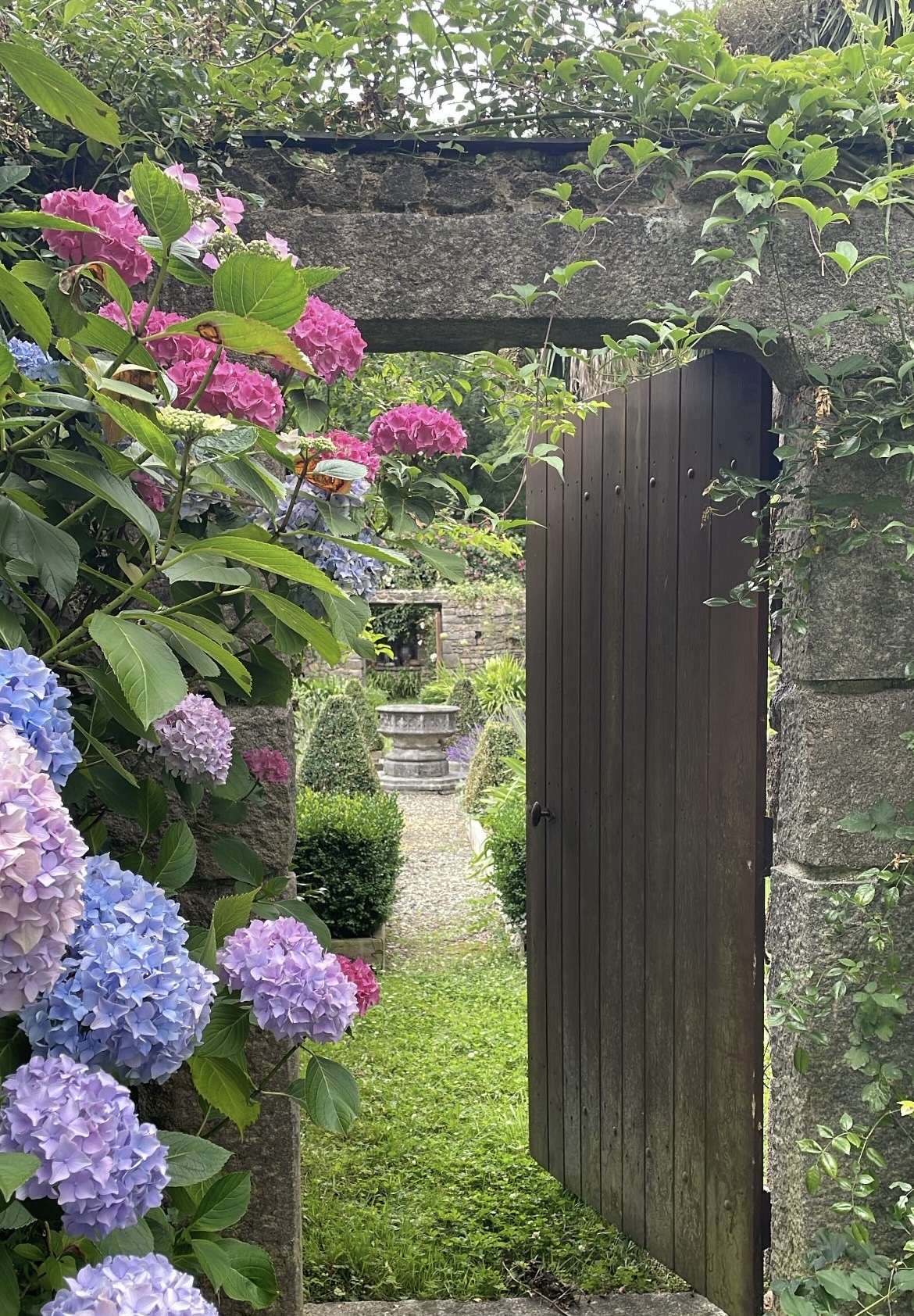
- Jacques Prévert’s house and garden: in Omonville-la-Petite, visit the house where the poet Jacques Prévert spent his last years, with a lovely garden inspired by his poetic world. Take the opportunity to explore the very pretty village of Omonville-la-Petite.
- Omonville-la-Rogue: with its little harbour, stone houses and authentic charm, Omonville-la-Rogue is a coastal village full of character, best discovered on foot.
- Port-Racine: nestled at the foot of the cliffs, Port-Racine is a tiny, charming harbour, considered one of the smallest in France.
- Landemer: between cliffs, moorland and sea, Landemer offers one of the finest panoramas of La Hague, with a spectacular view of the wild coastline.
Day 4: the Val de Saire
Let me introduce you to my home: the Val de Saire, and more precisely Barfleur and Gatteville-Phare. Life here revolves around tourism, fishing and farming. You will love picturesque villages such as Barfleur and Saint-Vaast, the beautiful beaches and the Vauban monuments.
Val de Saire: a day on the east coast, 45 minutes away
- Stroll around Barfleur: stop in Barfleur and admire the scenery, as well as the houses and their architectural details. A short walk behind the church, along the beach towards Gatteville lighthouse, is ideal. For a drink on a terrace, stop at the Café de France, a true local institution where I worked for two summers in my youth. A wonderful memory.
- A trip to the island of Tatihou: take the amphibious boat to Tatihou, an island off Saint-Vaast with a fascinating museum about the sea and the island’s history. Watch the birds and the coastline.
- Around the Fort de la Hougue: a pleasant short walk, after lunch for instance.
- Shopping in Saint-Vaast: in this small seaside resort on the east coast, browse Gosselin and the La Chaloupe bookshop.
- My favourite beaches: Jonville and Crabec in Gatteville-Phare.
Restaurants in the Val de Saire:
Le Panoramique in La Pernelle / Le Bistroy in Quettehou / L'Estran in Saint-Vaast / Crêperie La Bohème in Barfleur
Day 5: the Côte des Isles
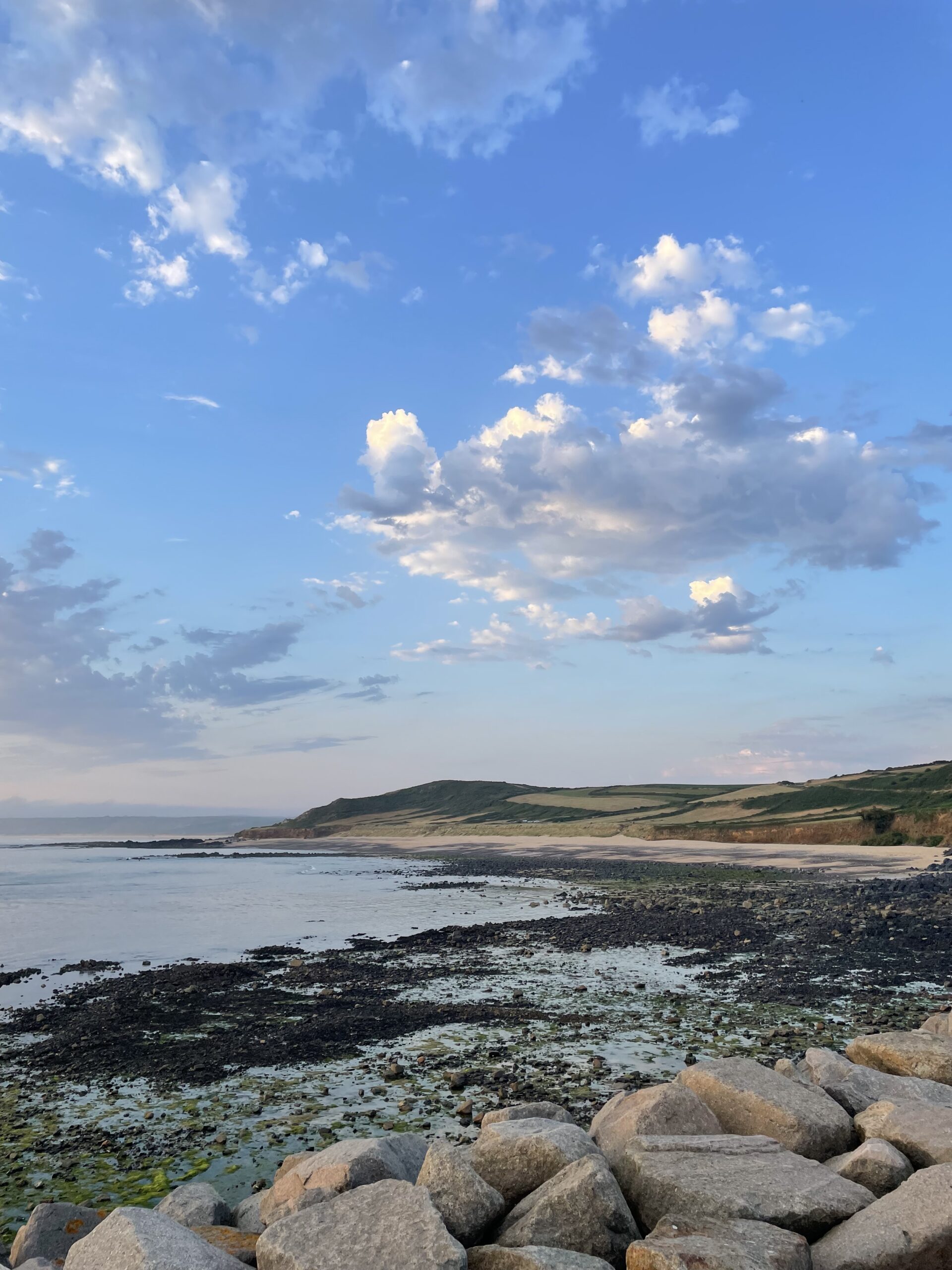
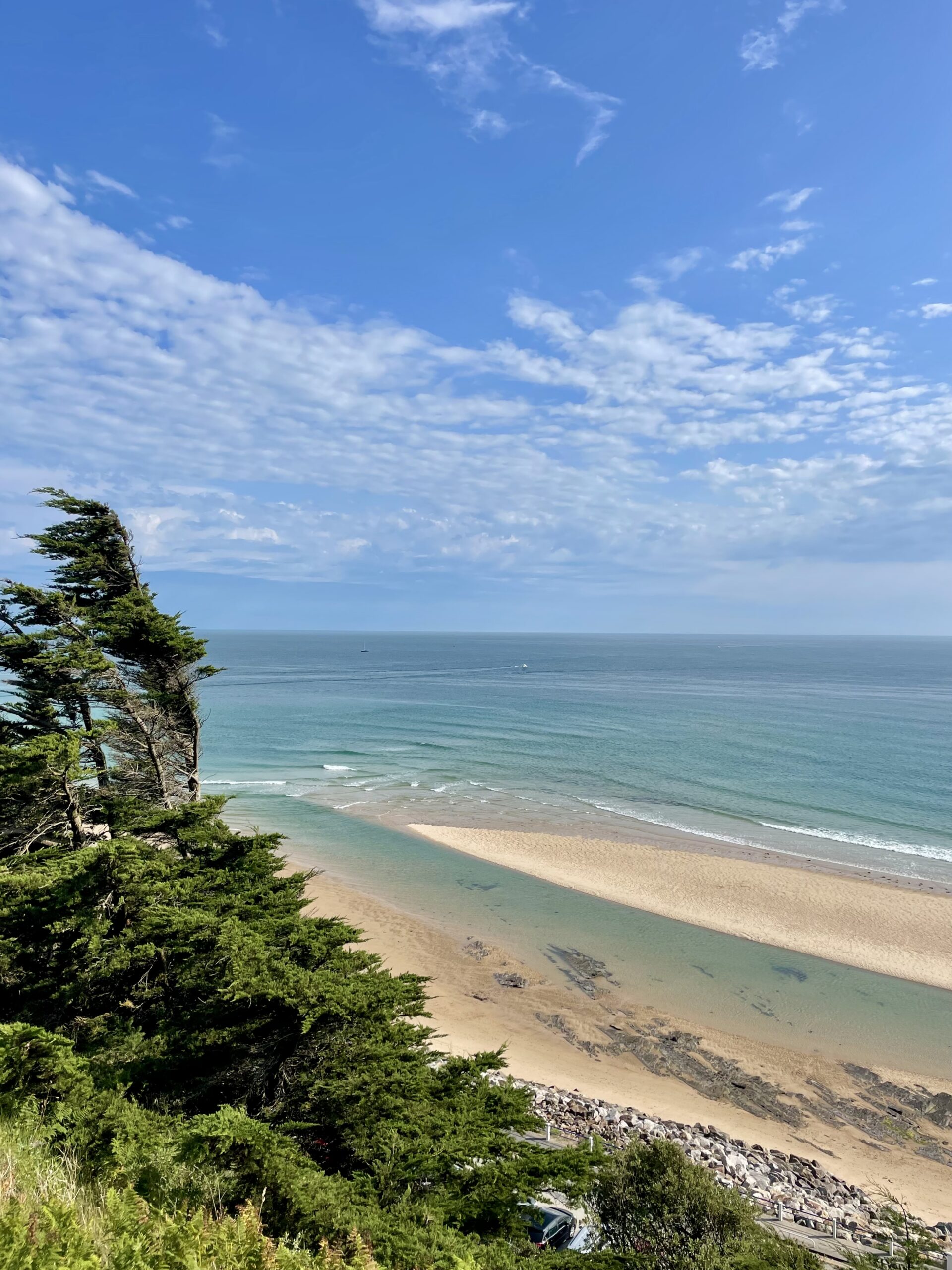
Between Barneville-Carteret and Portbail, the Côte des Isles offers a succession of long, fine sandy beaches, dunes, cliffs and little harbours. It is a particularly unspoilt coastline, where the landscape changes completely with the tides and the light.
Visiting the Côte des Isles, from Cap de Carteret to Portbail
Here you will find the havres of Barneville and Portbail, vast natural areas where fresh water and sea water meet with the tides. Further south, the Hatainville and Lindbergh dunes offer magnificent wild landscapes and lovely walks, notably on the GR223.
In Barneville-Carteret, Cap de Carteret is a must. From its heights, the view stretches over the sea and, on clear days, as far as the Channel Islands of Jersey and Sark. It is also a beautiful starting point for a walk between moorland, cliffs and coastal paths.
With nearly 30 kilometres of beaches, the Côte des Isles is as perfect for a lazy day of swimming as for a day of discovery and walking.
Restaurants:
Marnage in Carteret / Le Terminus in Carteret / Gigi in Carteret / Blooming Coffee Shop in Portbail
Day 6: the D-Day beaches
Along the coasts of Calvados and the Manche, five beaches still tell the story of the D-Day landings. Stretching for nearly 80 kilometres, these vast expanses of sand are both places of remembrance and iconic Normandy landscapes.
The D-Day beaches, less than 1.5 hours away
- Utah Beach – The westernmost landing beach, in the Manche, today offers a vast natural landscape where history and seaside meet.
- Omaha Beach – Famous throughout the world, Omaha Beach is undoubtedly one of the most emblematic landing beaches, with its immense stretch of sand bordered by cliffs.
- Gold Beach – Between Arromanches and Ver-sur-Mer, Gold Beach is known for the remains of the artificial harbour built after the landings, still visible offshore.
- Juno Beach – Around Courseulles-sur-Mer, Juno Beach was the sector assigned to the Canadian forces and is now home to several memorials dedicated to their commitment.
- Sword Beach – The easternmost of the five beaches, around Ouistreham, Sword Beach was where British forces landed, with the strategic objective of taking Caen.
Summary:
- D1: the paths around Maison Melchior
- D2: La Hague, the west side
- D3: La Hague, the north coast
- D4: the Val de Saire
- D5: the Côte des Isles
- D6: the D-Day beaches
- D7: already time to leave…
My local tips for visiting the Cotentin
1 – Don’t underestimate distances
On a map, the Cotentin may look small, but the roads can be winding, and the many little detours are part of the pleasure. Better to plan fewer visits and allow more time.
2 – Check the weather… but not too much
The Cotentin has its own microclimate. It can be cloudy in the morning and bright sunshine from midday, with the tide.
3 – Check the tide times
This matters especially for some walks, crossings to Tatihou and water sports.
And above all, the landscape changes completely depending on whether the tide is high or low.
4 – Bring good shoes
Even for a short walk, coastal paths can be steep or slippery.
Good shoes will let you fully enjoy the GR223 and the coastal trails.
5 – Taste the local produce
The Cotentin is also discovered at the table: Saint-Vaast oysters, fish and seafood, Normandy cheeses, cider, apple juice, caramels…
Take time to stop at markets, farm shops and little local grocers.
In short, what people come here for is wide open spaces, the sea, the landscapes, little harbours, walking trails and that feeling of being far from everything, sometimes alone in the world.
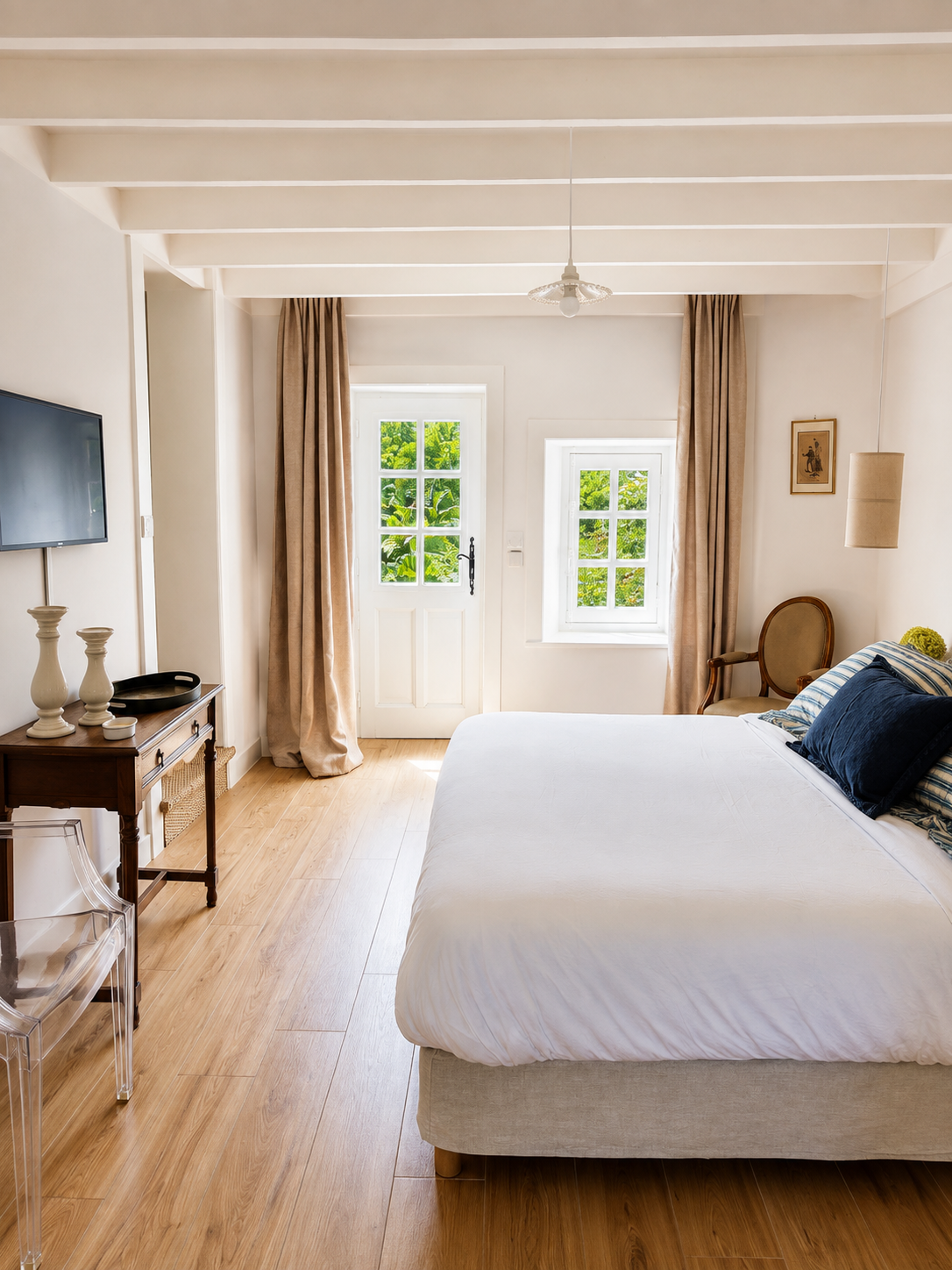
All that's left is to choose where to stay. Why not one of our rooms or cottages, well located, close to the sea, in unspoilt surroundings, on a traditional Cotentin farm with welcoming hosts? You will find them just below.